Elevating Spaces with Art
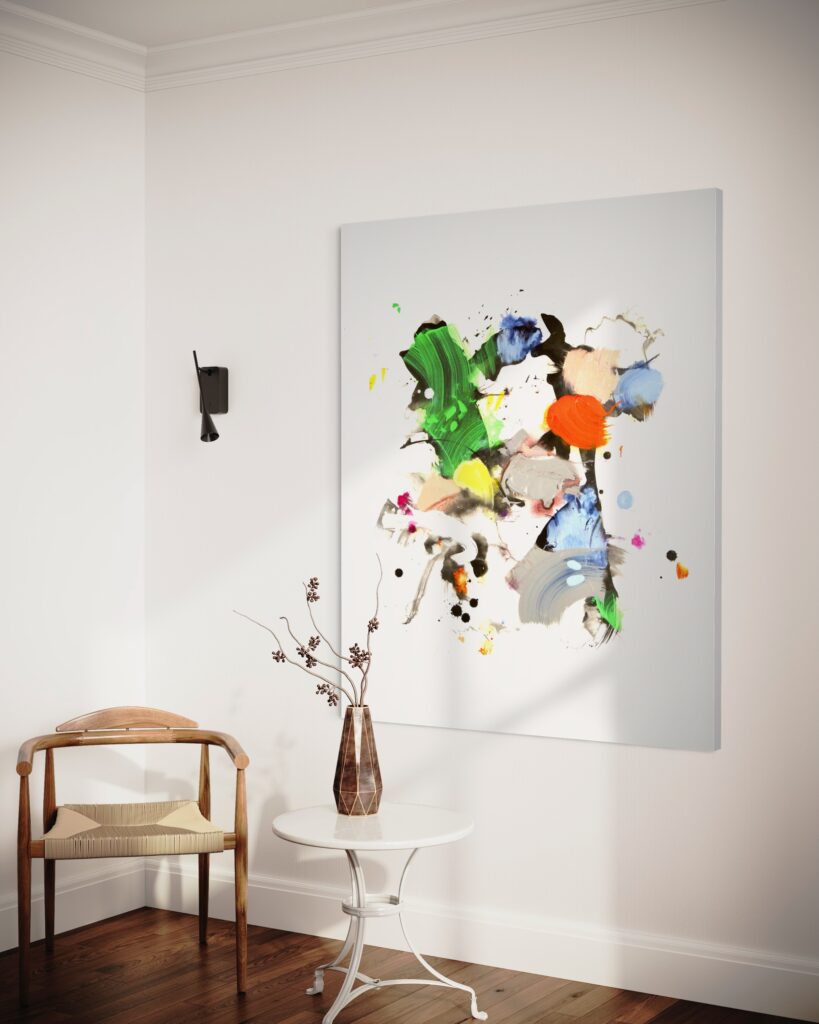
Art isn’t just decoration; it’s the soul of your space! ✨ Whether it’s a vibrant painting, a unique sculpture, or a gallery wall of memories, art adds character, depth, and personality to your interior spaces. Art sparks conversations, inspires creativity, and evokes emotions. It can be a reflection of your identity or a window into your passions. Let your walls breathe with art, and watch how it transforms your surroundings into a sanctuary of beauty and expression. ✨
Unlocking the Secrets of Art

Art is a universal language that transcends WORDS and each piece has a unique story to tell Hey art lovers and fellow creatives! Today, I want to share my thoughts on how to truly “tell” art. Observe Mindfully Take a moment to look at the artwork. What catches your eye? Colours, shapes, textures, or details? Start by observing the basics. Context Matters Understand the historical and cultural context behind the artwork. This can shed light on the artist’s intentions and the message they wanted to convey. Emotion Connection Pay attention to the emotions the artwork evokes in you. Art has the power to stir feelings, so embrace your emotional response. Artist’s Perspective Consider the artist’s perspective. What were they trying to communicate through their work? Try to put yourself in their shoes. Symbolism and Metaphors Look for symbolism and metaphors. Sometimes, artists use hidden symbols or metaphors to convey deeper meanings. Visual Elements Analyse the visual elements like composition, lighting, and perspective. How do these elements contribute to the overall narrative? Art Historical Knowledge Expand your art historical knowledge. Learning about different art movements and styles can help you understand the context of an artwork better. Converse and Collaborate Share your thoughts with others. Engaging in discussions about art can provide new insights and perspectives. Create Your Own Interpretation Remember, there’s no one “right” way to interpret art. Your personal interpretation is valid, and it’s what makes art so beautifully subjective. Explore Diverse Art Forms Don’t limit yourself to one style or medium. Explore a wide range of art forms, from paintings and sculptures to digital art and performance art.
Exploring Abstract Expressionism: Emotions Unleashed
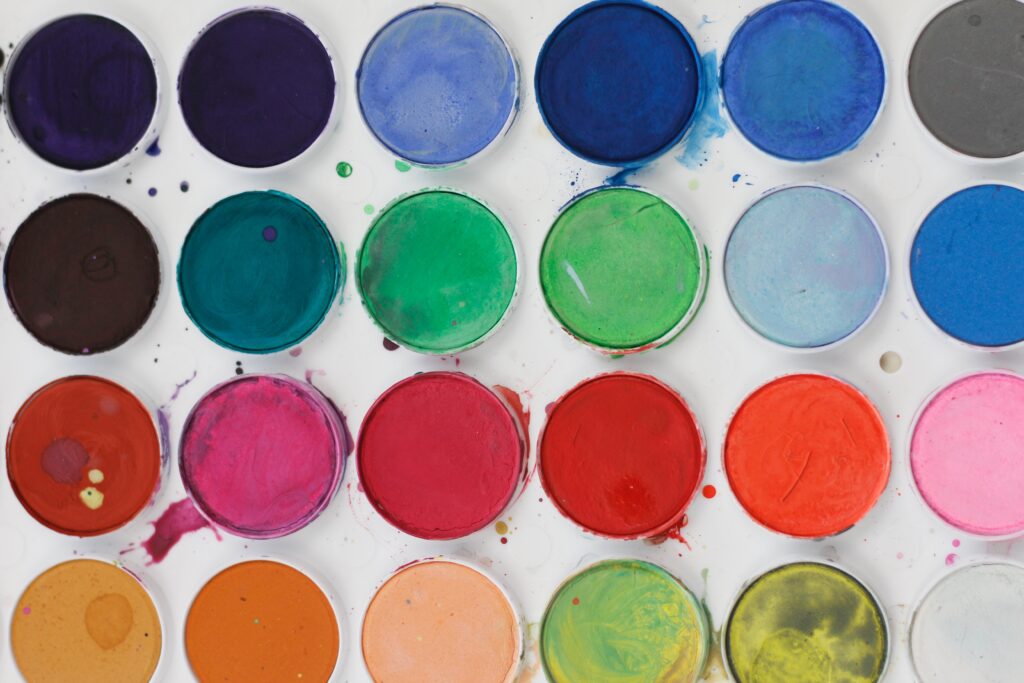
Hey art aficionados! Let’s take a deep dive into the world of Abstract Expressionism, a mesmerizing art movement that’s all about emotions and ideas poured onto canvas. Abstract Expressionism is like a symphony of colors, shapes, and gestures that come together to convey the rawest of human feelings and profound concepts. Here’s how artists use this incredible style to express their inner worlds: Gestural Brushwork Abstract Expressionist artists use bold, unrestrained brushwork to capture the energy and passion of their emotions. Every stroke tells a story, whether it’s a burst of joy or a wave of melancholy. Colour as Emotion Colours aren’t just colours in Abstract Expressionism; they’re emotions themselves. Artists carefully select and blend hues to evoke specific feelings, making you feel the artwork in your soul. Texture and Layering Texture isn’t just a tactile sensation; it’s a visual one too. Artists build up layers of paint, creating depth that mirrors the complexity of human emotions and ideas. Unconscious Expression Sometimes, artists let their subconscious take the lead, allowing emotions and ideas to flow freely without premeditation. This intuitive approach creates authentic, unfiltered art. Ambiguity & Interpretation Abstract Expressionism invites viewers to bring their own interpretations to the artwork. What one person sees as anger, another might perceive as passion. It’s a beautiful ambiguity. Size and Scale Large canvases allow artists to immerse viewers in their emotional landscapes. The size of the artwork can intensify the emotional impact. Catharsis & Release For many artists, Abstract Expressionism is a form of emotional catharsis. It’s a way to release pent-up feelings and make them tangible for both the creator and the audience. Personal Expression No two Abstract Expressionist works are alike because each artist’s emotions and ideas are unique. It’s a deeply personal form of artistic expression. Timelessness Abstract Expressionism transcends time and culture. Its emotional resonance speaks to people across generations and backgrounds. Movement & Flow Abstract Expressionist paintings often have a sense of movement, like a dance on canvas. This movement can represent the artist’s emotional journey or the flow of ideas. Abstract Expressionism is a canvas for the soul, where emotions and ideas flow freely without boundaries. ✨ It invites us to connect with the art on a profound level and find our own meanings within the vibrant chaos. How does this style resonate with your own emotions and ideas? Share your thoughts!
Snippet of the Evolution of London’s Art Scene: A 20-Year Journey

London’s art landscape has undergone a remarkable transformation over the past two decades. From traditional galleries to innovative street art, this city has seen it all! Two decades ago, London was primarily known for its prestigious, established art institutions like the Tate Modern and the National Gallery. These venerable spaces showcased classical masterpieces that attracted art enthusiasts from around the world. However, as we fast forward to today, the London art scene has become a vibrant tapestry of diversity and dynamism. **Street Art Revolution:** Graffiti and street art, once seen as acts of vandalism, have evolved into legitimate forms of artistic expression. London’s streets are now adorned with murals and thought-provoking pieces by renowned artists like Banksy and Stik. **Art in Unconventional Spaces:** Abandoned warehouses, disused factories, and even railway arches have been repurposed into avant-garde art venues. These unconventional spaces challenge traditional notions of where art should be exhibited. **Diversity and Inclusivity:** London’s art scene now celebrates diversity in all its forms. Galleries and exhibitions are more inclusive, showcasing works from underrepresented artists, women, LGBTQ+ individuals, and minorities. **Digital Art and Virtual Galleries:** The digital age has brought forth a new era of art consumption. Virtual galleries and NFT (Non-Fungible Token) art have become integral parts of the London art scene, making art more accessible to a global audience. **Environmental Consciousness:** Art has merged with environmental activism, with many artists using their work to raise awareness about climate change and sustainability. **Community Engagement:** Interactive art installations and community-driven projects are on the rise, fostering a sense of connection and engagement among Londoners. The evolution of London’s art scene over the past two decades is a testament to the city’s adaptability and creativity. It’s a journey of innovation, inclusivity, and the ever-evolving nature of artistic expression. ✨#LondonArtScene #ArtEvolution #CreativityUnleashed”
Navigating Art Galleries: A Guide for Artists

For artists aspiring to showcase their work in prestigious art galleries, the journey can be both exciting and challenging. Here are some valuable tips on how to approach art galleries and make a lasting impression. 1. **Research and Targeting:** Before reaching out, thoroughly research galleries that align with your artistic style, themes, and values. A targeted approach demonstrates your genuine interest. 2. **Prepare a Stellar Portfolio:** Create a professional portfolio that showcases your best work. Quality matters more than quantity. Highlight your unique style and artistic voice. 3. **Polished Presentation:** Make sure your portfolio, artist statement, and CV are well-crafted and error-free. Presentation reflects your professionalism. 4. **Personalize Your Pitch:** When reaching out, tailor your message to the gallery’s ethos. Mention why your work would be a good fit for their audience. 5. **Follow Submission Guidelines:** Galleries often have specific submission guidelines. Adhere to them meticulously to demonstrate your respect for their process. 6. **Build Relationships:** Attend gallery openings and art events to network with gallery owners, curators, and fellow artists. Building relationships can open doors. 7. **Be Patient:** The art world moves at its own pace. Be patient and persistent in your efforts. Rejections are part of the journey; don’t be discouraged. 8. **Professional Etiquette:** Maintain professional etiquette in all interactions. Be respectful of their time and decisions, whether positive or negative. 9. **Leverage Online Presence:** In the digital age, having a strong online presence is crucial. Use social media and a professional website to showcase your portfolio. 10. **Stay True to Your Vision:** While adapting to gallery requirements is important, don’t compromise your artistic vision. Authenticity is key. 11. **Legal Matters:** Familiarize yourself with contracts, commission rates, and gallery policies. Ensure you’re comfortable with the terms before committing. 12. **Continual Growth:** Keep honing your craft, evolving your style, and pushing artistic boundaries. Growth as an artist is an ongoing process. Remember, getting into a gallery is just one step in your artistic journey. The process may be competitive, but perseverance, professionalism, and a genuine passion for your craft can take you far. Keep believing in your art and the value it brings to the world. #ArtistsAndGalleries #ArtisticJourney #ProfessionalArtistry”
Shaping the Art Market: The Influence of Tastemakers

The art market, like any other, is not immune to trends and shifts in taste. Over time, influential tastemakers have played a pivotal role in shaping the art world, impacting everything from what gets created to what gets sold. Let’s dive into how these tastemakers have left an indelible mark on the art market. 1. **Curators and Museums:** The curators of prestigious museums wield immense power in shaping the art world. Their choices in exhibitions and acquisitions can catapult artists to fame and establish certain styles as significant. 2. **Critics and Art Writers:** Art critics and writers have the ability to sway public opinion and art market dynamics through reviews, essays, and commentary. Their words can elevate or deflate an artist’s career. 3. **Celebrity Collectors:** When celebrities like actors, musicians, and athletes become art collectors, their choices become trends. Their influence often introduces art to a broader, mainstream audience. 4. **Art Dealers and Galleries:** Art dealers and gallery owners can discover, nurture, and promote emerging artists. Their networks and curation shape what the public sees and buys. 5. **Art Advisors:** Wealthy collectors often rely on art advisors to guide their acquisitions. These advisors have the power to introduce their clients to new artists and trends. 6. **Online Platforms:** In the digital age, online platforms, social media influencers, and art marketplaces can create viral sensations, propelling certain artworks and artists to stardom. 7. **Art Fairs:** Events like Art Basel and Frieze have become tastemaking hubs, showcasing the latest and most influential works. Attendance by industry insiders can turn an artist’s career around. 8. **Art Awards and Prizes:** Winning or even being shortlisted for prestigious art awards can put an artist on the global stage, making their work highly sought after. 9. **Art Institutions:** Universities, art schools, and institutions often set the tone for art education and experimentation, influencing generations of artists and their styles. 10. **Cultural Movements:** Political, social, and cultural movements can dramatically affect the art market. Art becomes a means of expressing and responding to societal change. These tastemakers hold the power to elevate artists, styles, and movements, driving the art market in unpredictable directions. Their influence underscores the ever-evolving nature of art, where creativity, innovation, and cultural context intertwine. #TastemakersInTheArtWorld #ShapingTheArtMarket #ArtAndInfluence”
Art Awards & Prizes Worldwide

There are numerous art awards and prizes worldwide that recognize emerging artists. However, it’s important to note that the availability and criteria for these awards may change over time, and new ones may emerge. Here’s a list of some well-known art awards and prizes for emerging artists: 1. Turner Prize (United Kingdom): One of the most prestigious contemporary art awards for British artists under 50. 2. Young Artist Award (Singapore): Presented by the National Arts Council to recognize and support young Singaporean artists. 3. Joan Mitchell Foundation Grant (United States): Provides financial support to emerging artists working in the field of painting and sculpture. 4. Hugo Boss Prize (United States): Awarded by the Solomon R. Guggenheim Museum to recognize significant achievement in contemporary art. 5. Future Generation Art Prize (Ukraine): Sponsored by the PinchukArtCentre, this international competition supports young artists worldwide. 6. Emerging Artist Grant by Los Angeles County Museum of Art (LACMA). (United States): Offers support to emerging artists living in Los Angeles County. 7. The Sobey Art Award (Canada): Recognizes emerging Canadian artists through a national competition. 8. PULSE Prize (United States): Presented at the PULSE Art Fair in Miami, this prize celebrates emerging talent. 9. Artadia Awards (United States): Provides unrestricted financial support to artists in selected cities. 10. The John Moores Painting Prize (United Kingdom): Recognizes contemporary painters and is open to artists of all ages. 11. The Hix Award (United Kingdom): Presented by CNB Gallery, this award is open to emerging artists working in all media. 12. Baloise Art Prize (Switzerland): Awarded at Art Basel, this prize supports young artists. 13. BMW Art Journey (International): An award for emerging artists presented as part of Art Basel. 14. The Contemporary African Art Prize (CAPE) (International): An award for African artists who have not yet gained international recognition. 15. Young Masters Art Prize (United Kingdom): Celebrates contemporary artists who engage with the art of the past. 16. Parker Harris Mentoring Award (United Kingdom): Offers mentorship opportunities for emerging artists. 17. The ArtGemini Prize (International): An international competition open to all artists worldwide. 18. The Aesthetica Art Prize (United Kingdom): A competition for artists working in various media. 19. The Griffin Art Prize (United Kingdom): Focused on emerging artists who engage with or challenge the use of materials. 20. Lorenzo il Magnifico Award (Italy): Presented at the Florence Biennale to artists under 45. It’s essential to visit the respective award websites or contact the organizers directly for the most up-to-date information.
Decoding Art: A Guide to Art Analysis

Art has the power to move, inspire, and provoke thought. But how do we unlock its secrets and meanings? Analysing art is like deciphering a visual language, and here’s your guide to becoming fluent. Let’s delve into the key aspects of art analysis with some illustrative examples. **1. Subject Matter:** Start by identifying the subject or theme of the artwork. What does it depict, and what story is it telling? *Example: “Starry Night” by Vincent van Gogh portrays a starry night sky over a quiet village, conveying a sense of serenity and wonder.* **2. Composition:** Analyse the arrangement of elements within the artwork. Consider the use of space, balance, and focal points. *Example: Leonardo da Vinci’s “Mona Lisa” uses a centred composition, with the subject’s enigmatic smile as the focal point, drawing the viewer’s attention.* **3. Colour Palette:** Explore the colours used and their significance. Colours can evoke emotions and convey symbolism. *Example: In Picasso’s “Guernica,” the use of black, white, and grey intensifies the sense of despair and horror in response to war.* **4. Brushwork and Technique:** Observe the artist’s technique. Is it precise, loose, or expressive? Brushstrokes can communicate energy and emotion. *Example: In Claude Monet’s “Water Lilies” series, the brushwork is loose and impressionistic, capturing the ephemeral nature of light and water.* **5. Style and Period:** Determine the art style and the historical period it belongs to. Styles can range from realism to abstraction. *Example: Jackson Pollock’s “Autumn Rhythm” is a prime example of abstract expressionism, characterized by spontaneous, gestural brushwork.* **6. Symbolism and Metaphor:** Look for symbols or metaphors that convey deeper meanings. Sometimes, artists embed hidden messages. *Example: In Frida Kahlo’s “The Two Fridas,” the dual self-portraits symbolize her complex identity and emotions.* **7. Context and Biography:** Consider the artist’s life, experiences, and the historical context in which the artwork was created. These can shed light on the artist’s intent. *Example: Edvard Munch’s “The Scream” is influenced by his experiences of anxiety and existential dread in the late 19th century.* **8. Viewer Response:** Finally, reflect on your personal response to the artwork. How does it make you feel, think, or question? *Example: Yayoi Kusama’s “Infinity Mirrors” installations invite viewers to contemplate the infinite and experience a sense of wonder.* Art analysis is a dynamic journey of exploration and interpretation. Every viewer brings their unique perspective, making art a profoundly subjective experience. So, the next time you stand before a canvas or sculpture, remember to engage your senses and let the artwork speak to you. #ArtAnalysis #UnlockingArt #VisualLanguage”